


Blog
Debunking the most notorious gambling myths What you need to know
Debunking the most notorious gambling myths What you need to know
Understanding the Basics of Gambling Myths
Gambling myths often stem from misunderstandings and oversimplifications about how games of chance operate. For instance, one common myth is that certain games are “due” for a win after a series of losses. This belief overlooks the reality that each spin of a slot machine or roll of a dice is an independent event, governed by the laws of probability. Understanding these foundational aspects is crucial for any gambler looking to make informed decisions and avoid pitfalls. You can find more detailed information at https://sauver-ukraine.ca/.
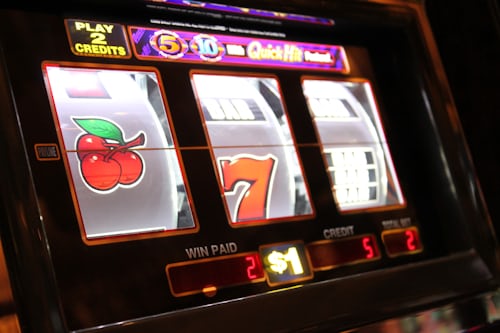
Another prevalent misconception is that certain players possess “lucky” traits that can influence game outcomes. While personal anecdotes about luck are common, they don’t hold water in a statistical framework. Luck is random, and professional gamblers rely on strategy rather than superstition. By educating oneself about these fundamental aspects, players can develop a healthier attitude towards gambling and their experiences with games like the Chicken Road Slot.
Moreover, many believe that casinos manipulate machines or tables to ensure players lose. In reality, reputable establishments operate under strict regulations and are often subject to audits to maintain fairness. Recognizing that these games operate under mathematically established principles can help demystify the gambling experience and promote responsible gaming practices.
The Illusion of Control in Gambling
A significant myth surrounding gambling is the notion that players can control outcomes by using specific strategies or systems. This misconception is especially prevalent in games of chance, such as slots or roulette, particularly within the context of the Chicken Road App. Many gamblers are drawn to betting systems that promise a win, but these strategies are not guaranteed to be effective. The randomness of these games means that no amount of skill or strategy can change the odds.
This illusion of control can lead to detrimental gambling behaviors, as individuals may increase their bets in a desperate attempt to regain losses. The cycle of chasing losses can result in significant financial harm. Understanding that gambling outcomes are largely out of a player’s control can help mitigate this tendency and promote a more rational approach to gaming.
Recognizing the limits of control also underscores the importance of setting personal boundaries and adhering to responsible gambling practices. Acknowledging the inherent randomness can empower individuals to enjoy gaming for its entertainment value rather than as a means of financial gain.
Myth vs. Reality: Understanding Odds and Payouts
A prevalent myth among gamblers is that certain games, particularly slots, have better odds than others. While it’s true that some games offer higher return-to-player (RTP) percentages, many players overlook the significance of understanding the house edge. This is the mathematical advantage that a casino has over players, which is built into every game. Knowing the true odds can help gamblers choose games that align with their expectations and risk tolerance.
Additionally, many players believe that betting more money guarantees higher payouts. In reality, maximum bets may only marginally increase potential winnings. This misunderstanding can lead to a dangerous mindset where players feel compelled to wager more than they can afford. Awareness of the actual payout structure of games, including those like Chicken Road Canada, is vital for maintaining a balanced approach to gambling.
Furthermore, it is essential to understand that promotional offers, such as bonuses or free spins, often come with specific terms and conditions that can impact payouts. Players should familiarize themselves with these details to avoid unrealistic expectations and manage their gaming experience effectively.
The Social Implications of Gambling Myths
The impact of gambling myths extends beyond individual players to societal perceptions of gambling as a whole. For instance, myths surrounding the stigma of gambling addiction can hinder individuals from seeking help. Many believe that addiction is purely a lack of willpower, disregarding the psychological factors involved. This misconception can perpetuate feelings of shame and isolation, preventing those in need from receiving support.
Moreover, myths about gambling often fuel negative stereotypes in media portrayals, which can shape public perception. These portrayals can lead to increased anxiety and misconceptions about responsible gambling. Education is key in combating these myths and fostering an understanding that many individuals enjoy gambling responsibly without adverse effects.
By addressing and debunking these myths, we can cultivate a more nuanced conversation about gambling. This involves acknowledging both the risks and the enjoyment that comes from gambling, thus allowing for more balanced social discussions surrounding the activity.

Exploring the Chicken Road Experience
The Chicken Road Game exemplifies how innovation can reshape the gambling landscape while integrating responsible gaming principles. By allowing players to engage in strategic decision-making, this game promotes a heightened awareness of risk management. The mechanics of gameplay are designed to provide excitement while emphasizing the importance of making informed choices, ultimately enriching the gaming experience.
The Chicken Road App further enhances this experience by offering a platform for players to explore their skills in a controlled environment. With a demo mode available, users can practice without the financial risks associated with real-money gaming. This feature encourages responsible gaming while providing an opportunity to learn and master the game’s intricacies.
In conclusion, understanding the mechanics behind games like Chicken Road can empower players to approach gambling with a clearer mindset. As players become more informed, they can enjoy the excitement of gaming while maintaining healthy boundaries, ultimately contributing to a more responsible gambling culture. This blend of entertainment and education is essential in navigating the complex world of gambling today.